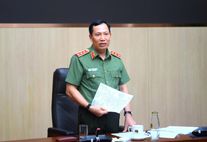
Minister Luong Tam Quang: Public security training institutions need comprehensive reform
Politburo Member and Minister of Public Security General Luong Tam Quang chaired a working session with key leaders of the People’s Public Security academies, on October 13, 2026, in Ha Noi, to review the outcomes of education and training work since the 8th Congress of the Public Security CPV Organisation, and to outline strategic orientations, tasks and solutions for reforming education and training through 2030, with a vision toward 2045.
14/10/2026
00:00
Presenting a report at the working session, Director of the Department of Education and Training Lieutenant General Tran Minh Le stated that, closely following the leadership and direction of the Executive Committee of the Public Security CPV Organisation and the leadership of the Ministry of Public Security, public security units, local police forces, academies, and schools of the Public Security Forces have focused on synchronously implementing tasks and solutions for educational reform and development breakthroughs, achieving many important results.
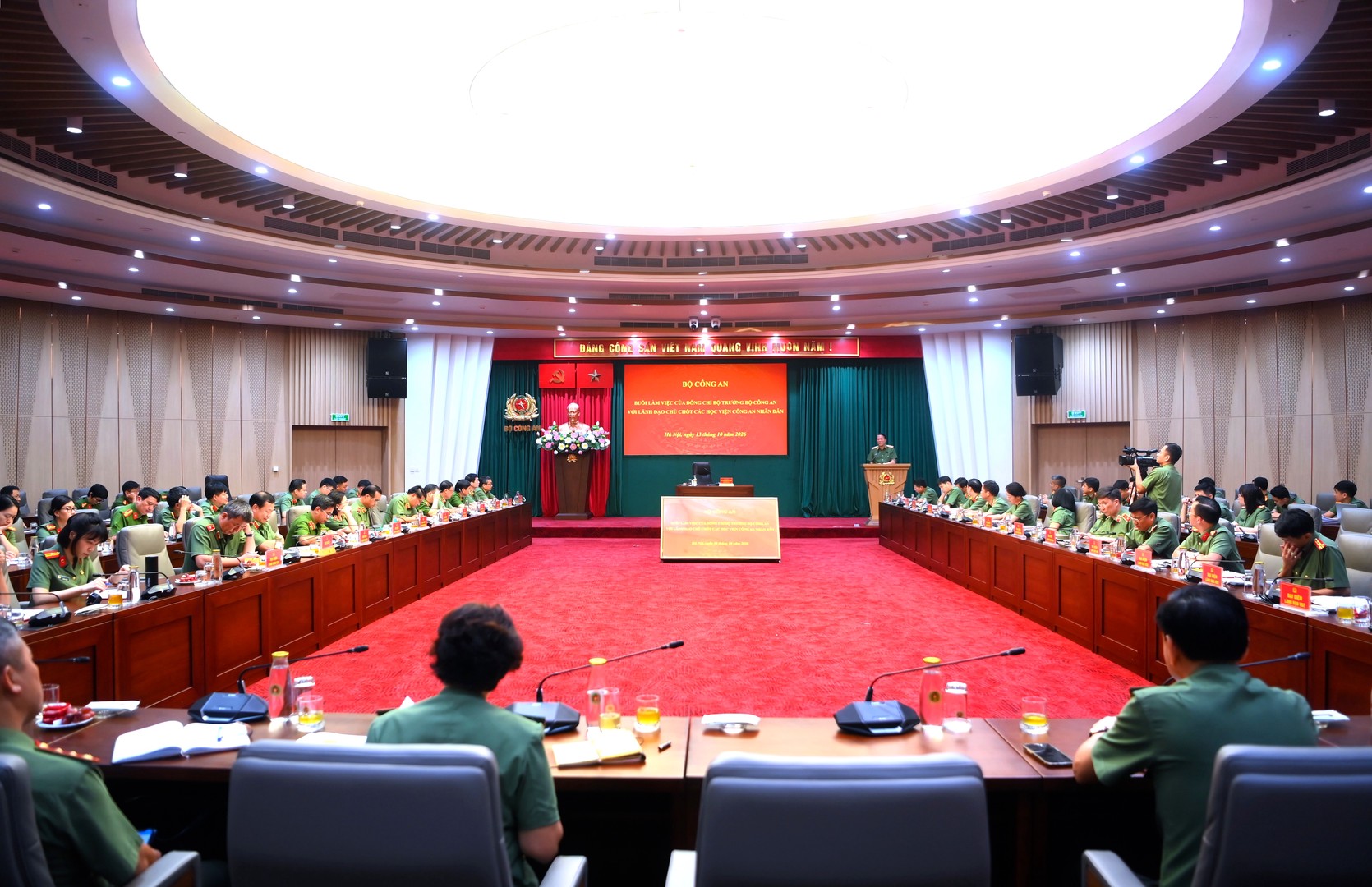
Delivering concluding remarks at the working session, on behalf of the Executive Committee of the Public Security CPV Organisation and the Ministry of Public Security, Minister Luong Tam Quang acknowledged, highly appreciated, and praised the achievements and results recorded by the academies of the People’s Public Security from the 8th Congress of the Public Security CPV Organisation to date, as well as during the process of streamlining organizational structure and implementing Politburo Resolution No. 71 on breakthrough development in education and training.
To fulfill their glorious responsibilities in the new development era, Minister Luong Tam Quang emphasized the need for a strong shift in mindset regarding education and training work in the People’s Public Security Forces to meet the requirements and tasks in the new situation, focusing on two core issues:
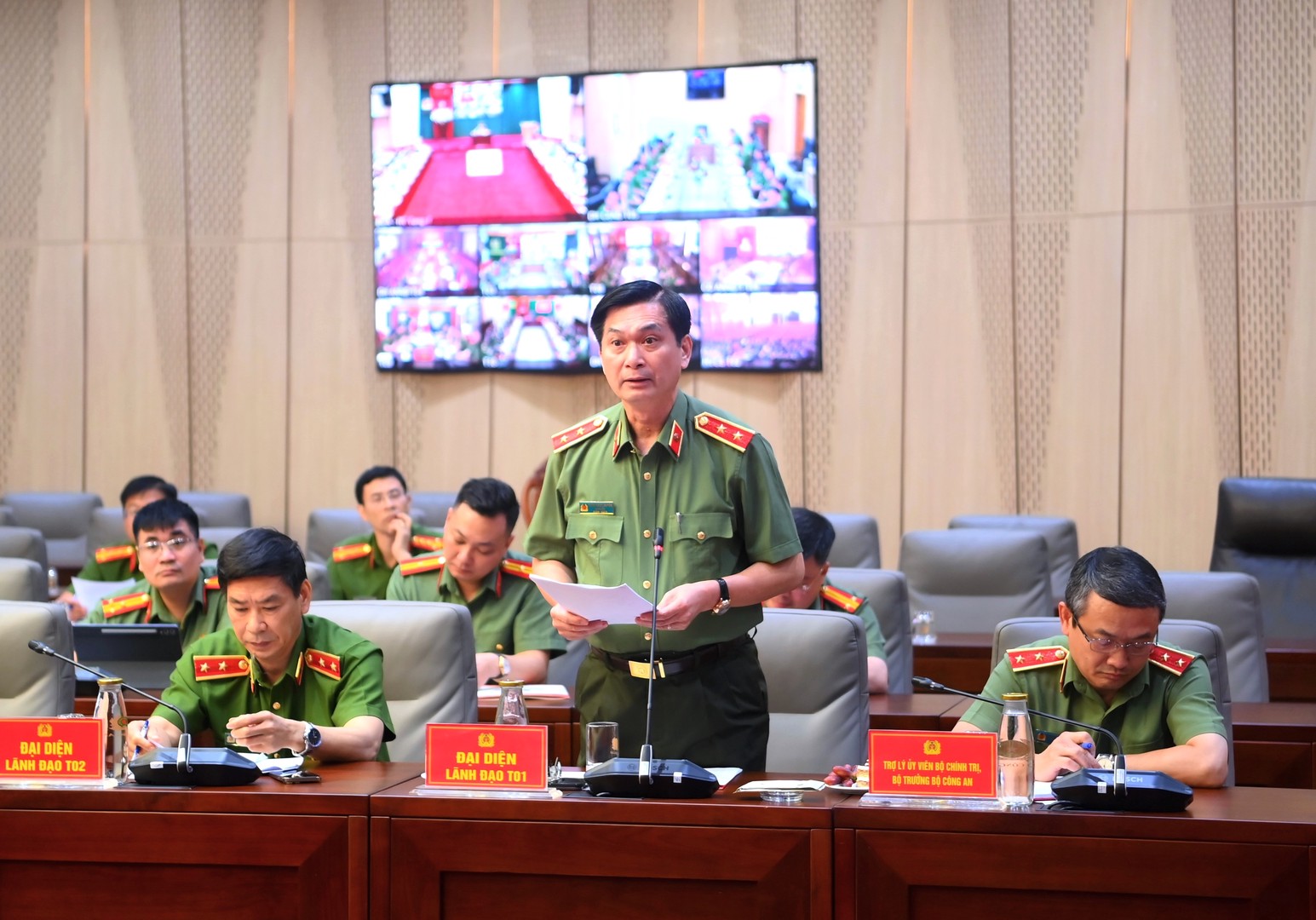
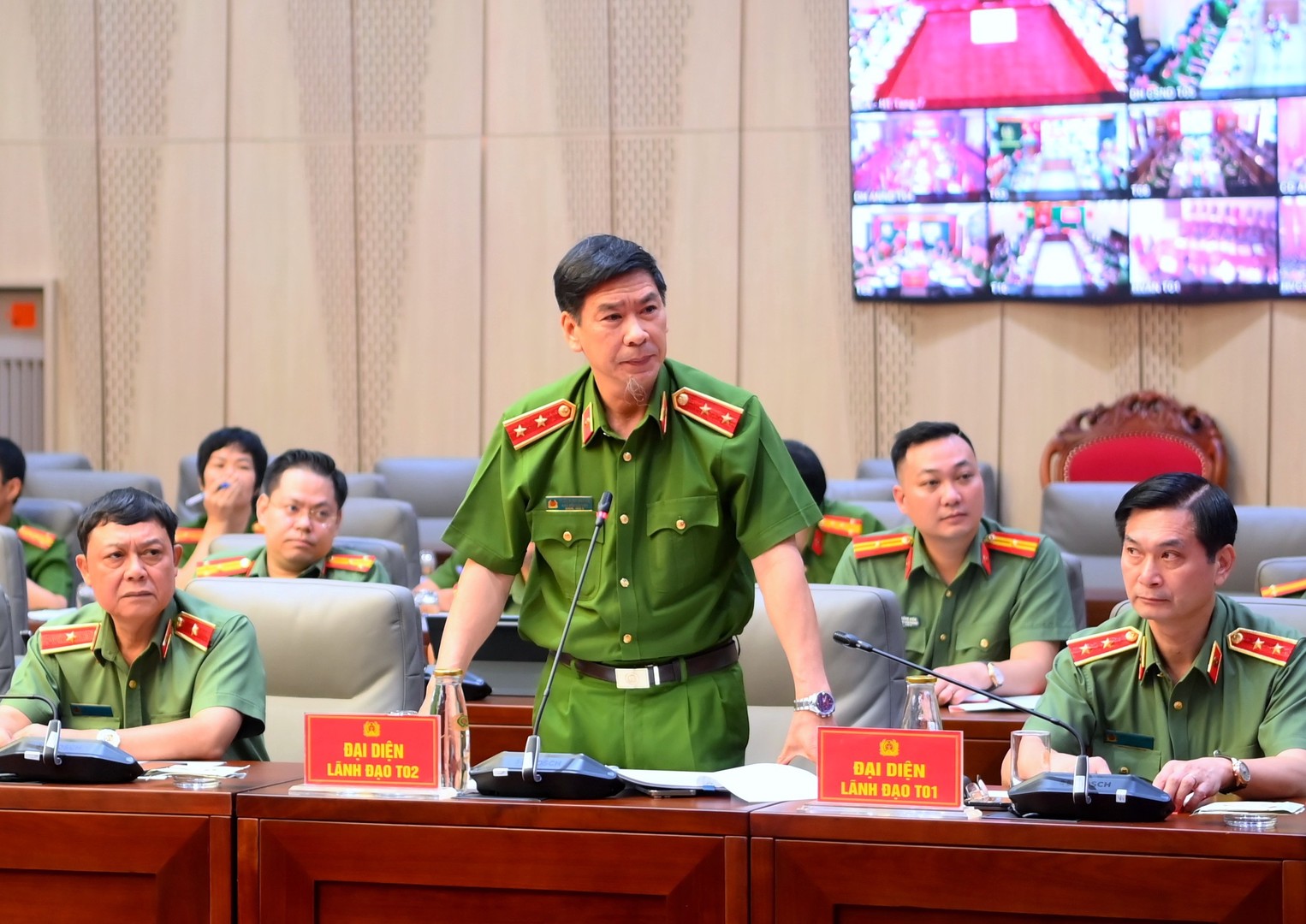
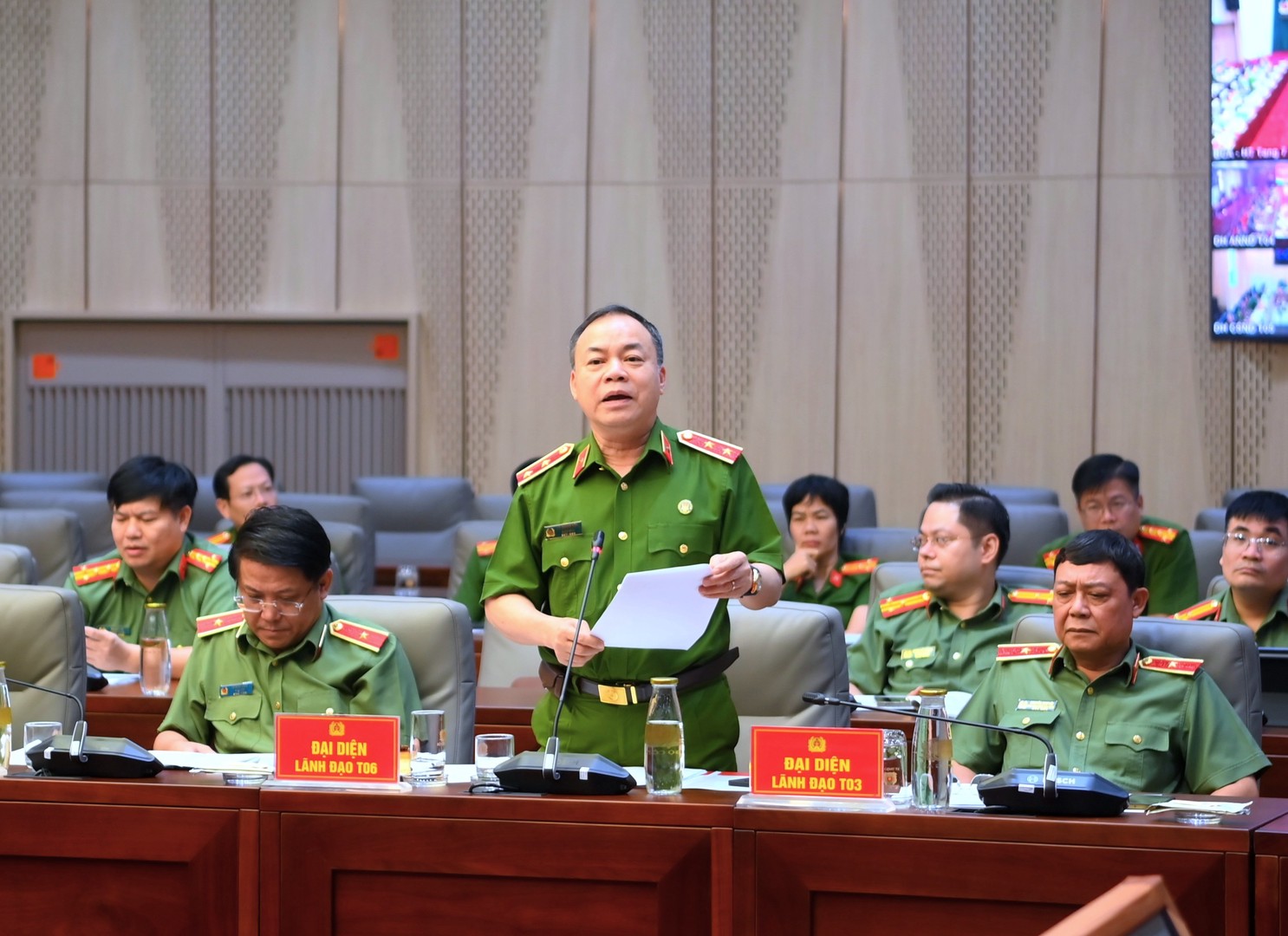
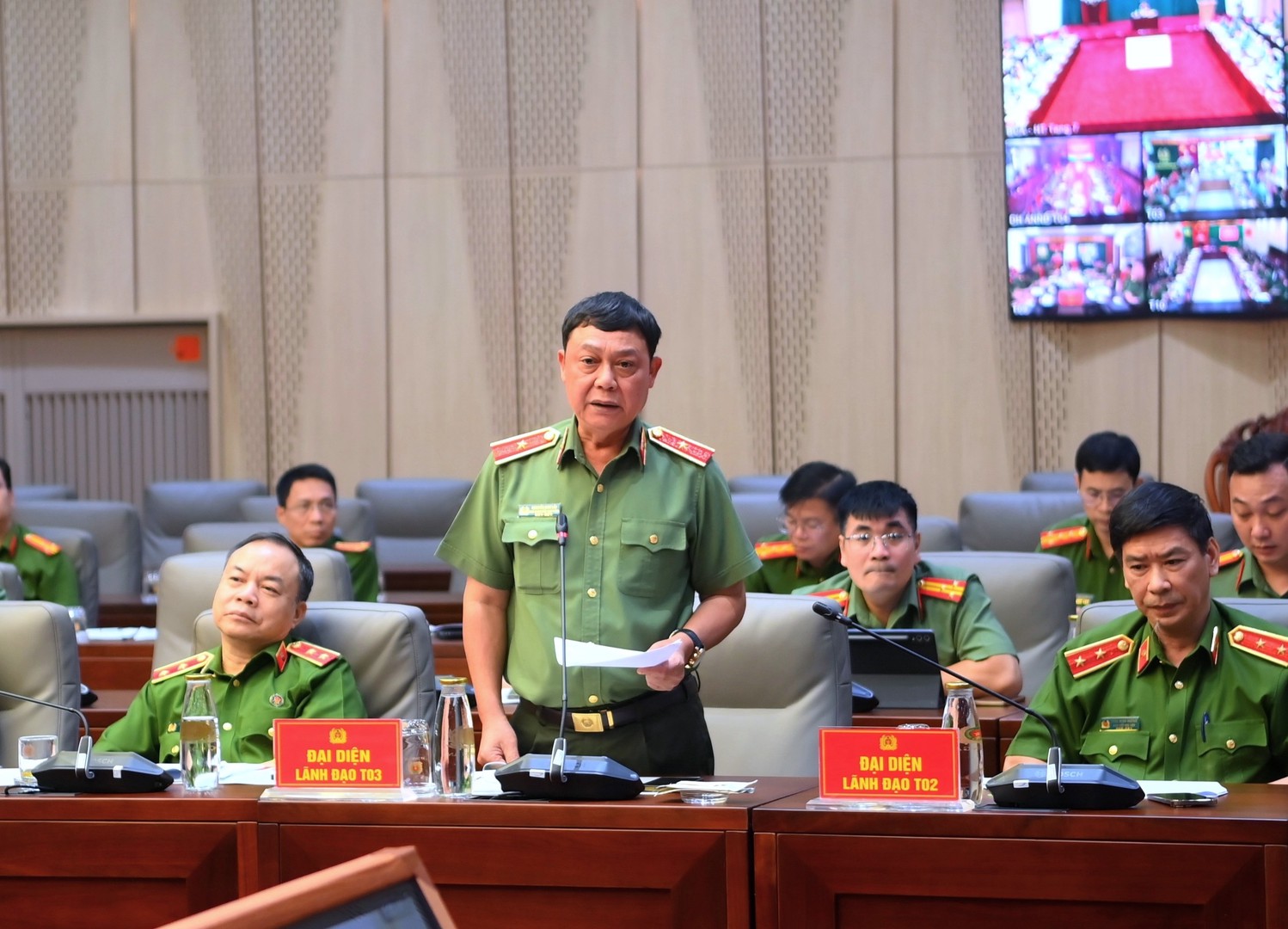
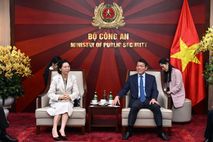
Delegates discuss related issues.
First, the mindset on education and training work must closely follow and create a solid foundation for the successful realization of the strategic thinking on national security and national security protection in the new era.
Second, there must be a shift in thinking from degree-driven training to career-oriented training, and from training based on existing institutional capacity to training guided by operational requirements, skills standards, and concrete learning outcomes.
The Minister called for formulating and executing an education and training master plan for the People’s Public Security Forces aimed at focusing on higher education reform, building elite universities, and establishing centers of excellence in training.
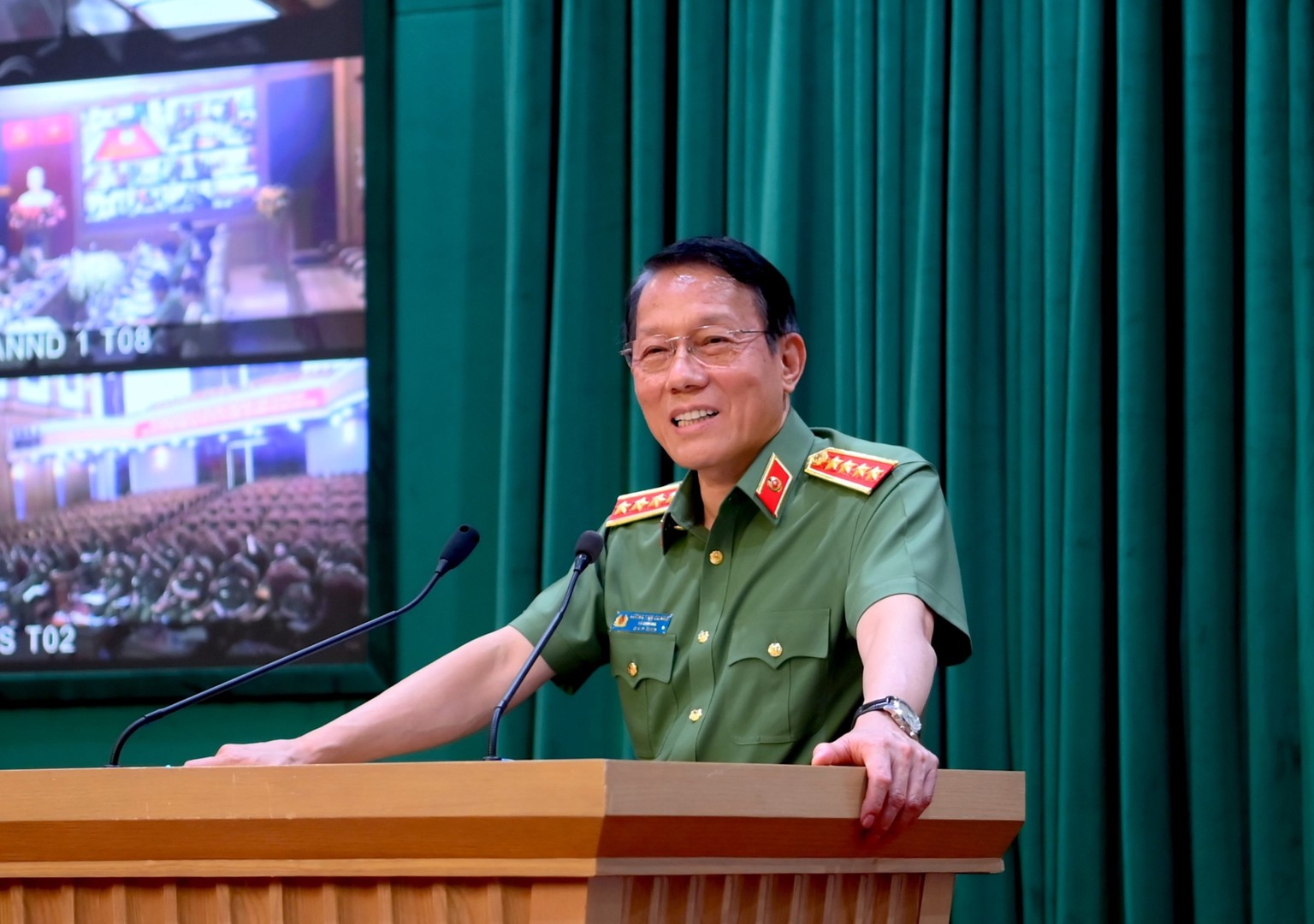
Universities should truly become centers for talent cultivation, scientific research, innovation, and the generation of new knowledge and technologies. Vocational education should be closely linked to real security and order maintenance operations, producing a highly skilled workforce required for specialized areas of security and order work.
Based on proposals from each school, the Department of Education and Training will lead the development of an education and training master plan through 2030 and 2035, with a vision toward 2045. The plan will clearly define expanded training models, new disciplines to be added, specific training mandates for each institution, and job positions requiring doctoral or master’s qualifications, thereby meeting human resource requirements for safeguarding security and maintaining order in the new era.
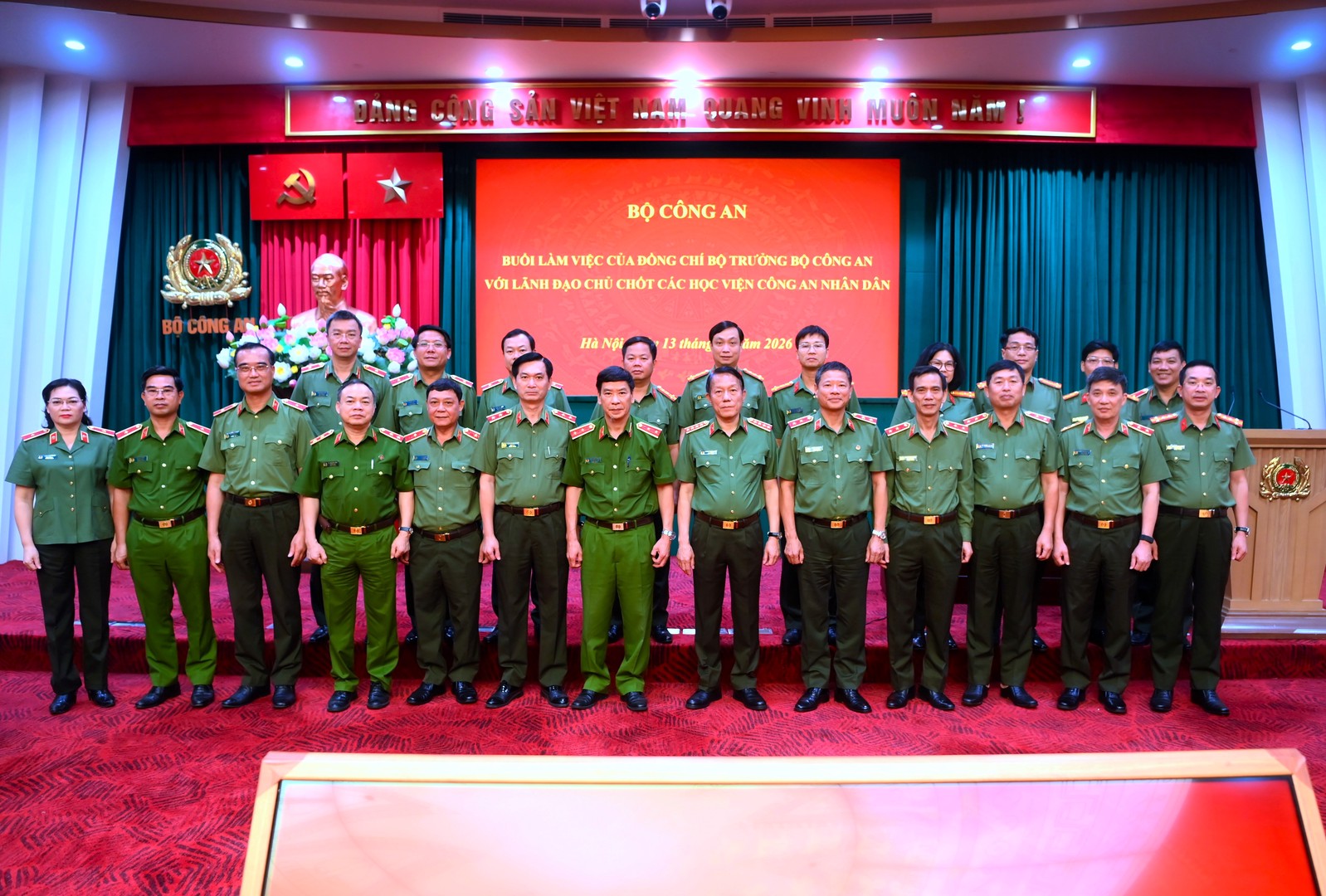
Minister Luong Tam Quang underlined the need for a profound and comprehensive reform across all aspects of education and training work – from institutional governance and faculty development to curriculum content, teaching and learning methods, examinations, testing and assessment, so that education programs of the public security education system can well meet the requirements for the Public Security Forces’ tasks of safeguarding security and maintaining order in the new era.
He also urged public security education institutions to accelerate digital transformation and artificial intelligence (AI) in education, as well as step up international integration to learn from world-class standards, spread excellence, and attract international scholars.
Print
Chia sẻ
Latest news
Most read news of the week