Ministry of Public Security signs coordination regulations with NA Council for Ethnic Affairs
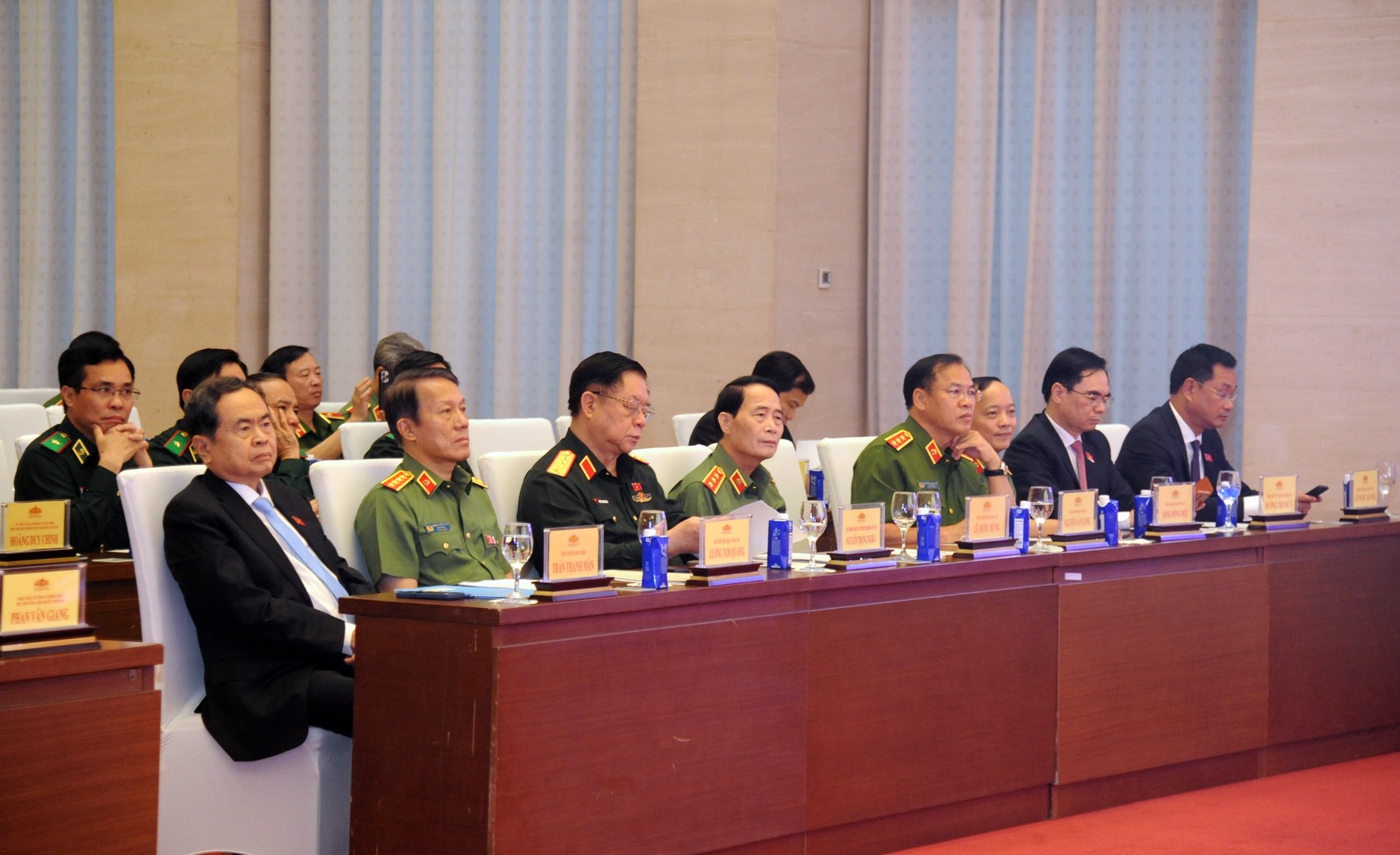
Politburo Member and President of the National Assembly Tran Thanh Man attended and addressed the conference for the signing of coordination regulations between the Council for Ethnic Affairs and the Ministry of Public Security, the Ministry of Ethnic and Religious Affairs, and the Border Guard Command for the 2026–2031 period, on the afternoon of November 4, 2026, at the National Assembly House.
04/11/2026
Present at the conference were Politburo members: Standing Vice President of the National Assembly Do Van Chien, Deputy Prime Minister and Minister of National Defense General Phan Van Giang, Minister of Public Security General Luong Tam Quang, and Secretary of the Central Committee of CPV and Director of the General Department of Politics of the Viet Nam People’s Army General Nguyen Trong Nghia.
Reporting at the conference, Vice Chairwoman of the Council for Ethnic Affairs Tran Thi Hoa Ry stated that, over the past years, the Council for Ethnic Affairs had signed and implemented coordination regulations with the Ministry of Public Security for the 2019–2026 period, the Ministry of Ethnic and Religious Affairs for 2022–2026, and the Border Guard Command for 2023–2026.
Coordination between the NA Council for Ethnic Affairs and the three agencies has yielded practical results, contributing to improving the material and spiritual lives of ethnic minority communities.
The signing of the coordination regulations among the agencies for the 2026–2031 period holds significant importance in creating a new mechanism and momentum to leverage the operational strengths and roles of each agency.
At the same time, it enhances operational cohesion among the agencies in lawmaking, oversight, scrutiny, and proposing the refinement of important policies related to ethnic minorities, ethnic minority and mountainous areas, border regions, and islands.
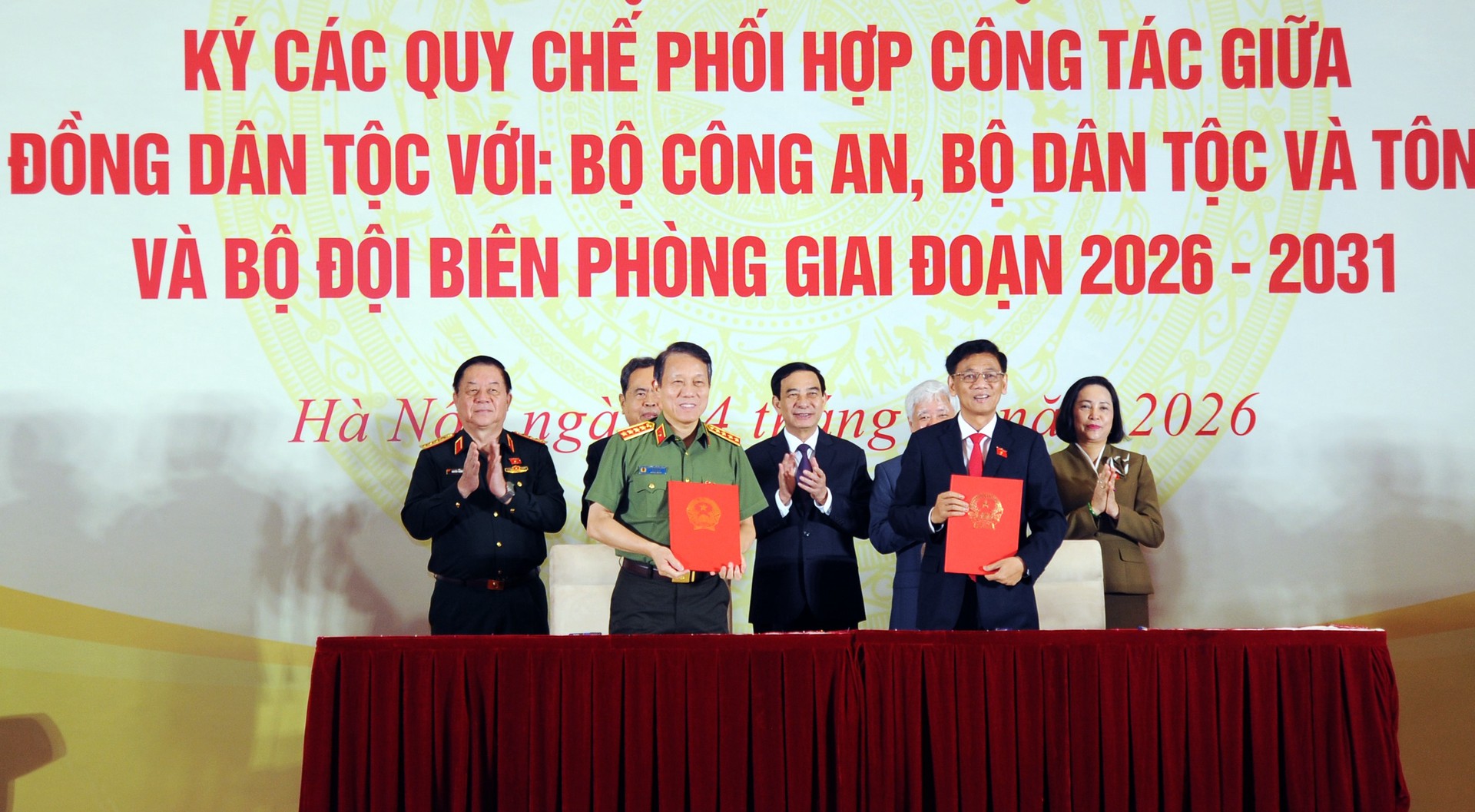
At the conference, National Assembly President Tran Thanh Man and other delegates witnessed the signing of the coordination regulations between the Council for Ethnic Affairs, the Ministry of Public Security, the Ministry of Ethnic and Religious Affairs, and the Border Guard Command for the 2026–2031 period.
Delivering his directive speech at the conference, National Assembly President Tran Thanh Man welcomed and highly appreciated the Coordination Regulations among the Council for Ethnic Affairs, the Ministry of Public Security, the Ministry of Ethnic and Religious Affairs, and the Border Guard Command, saying that it would continue strengthening and tying legislative, verification, and oversight activities with state management, supplementing grounds to refine policies, and resolving difficulties in implementation for ethnic minority, mountainous, and border areas.
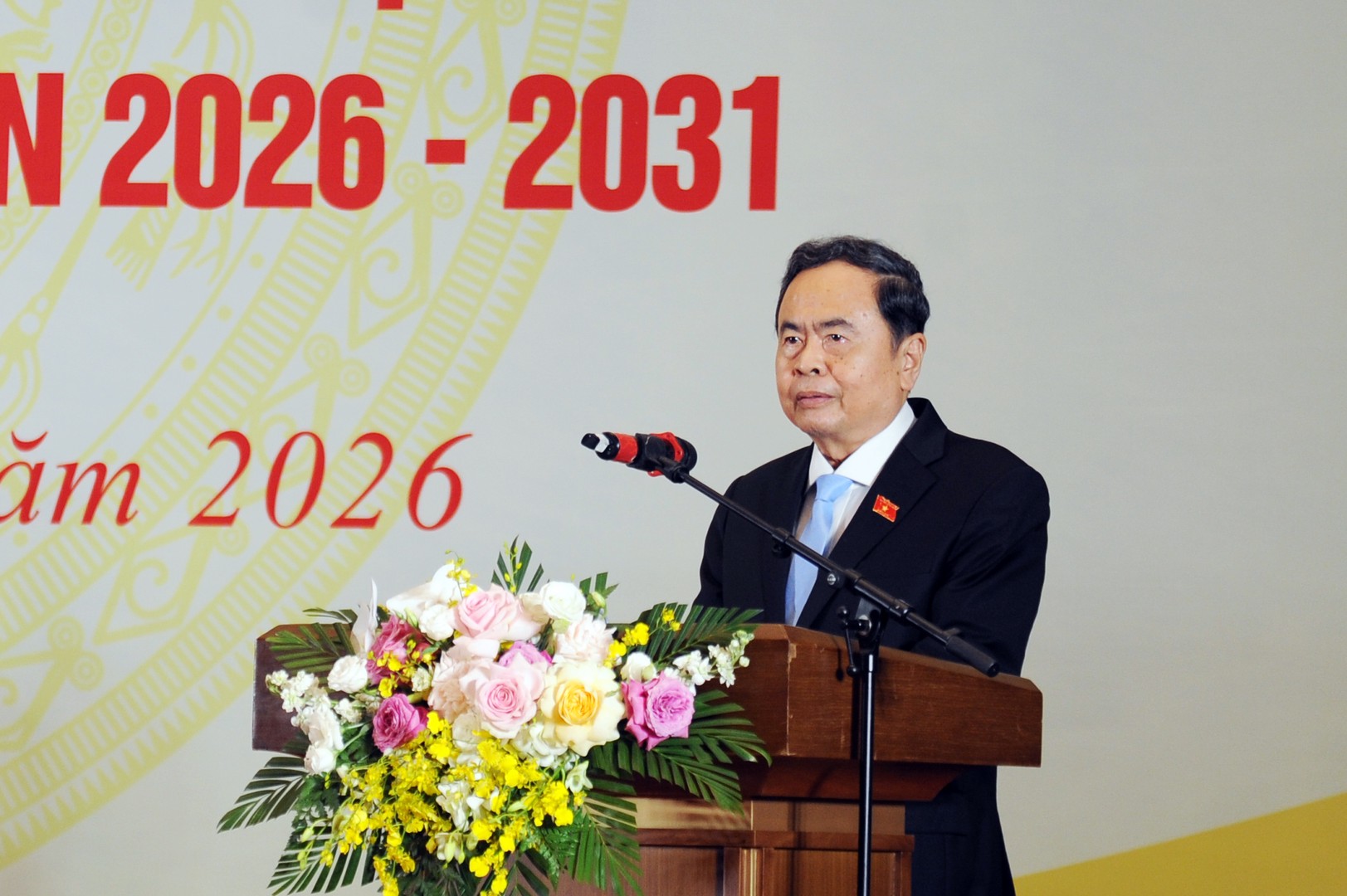
He urged addressing existing limitations in past coordination, enhancing the efficiency of information sharing, monitoring, and execution to meet the task requirements of each agency and unit in the new period.
Emphasizing that the coordination relationship among the four agencies must take policy quality and efficiency in serving the People as the benchmark, the National Assembly President requested the Council for Ethnic Affairs to promptly recommend improvements to legislation, implementation mechanisms, and resource allocation, ensuring independence, objectivity, scrutiny, and oversight accountability throughout the coordination process.
He also requested that the Ministry of Ethnic and Religious Affairs to advise on guidelines and policies in the new period; refine legislation on ethnic affairs, national target programs, and their assigned scope in alignment with the current two-tier local government system, ensuring no eligible beneficiaries are omitted.
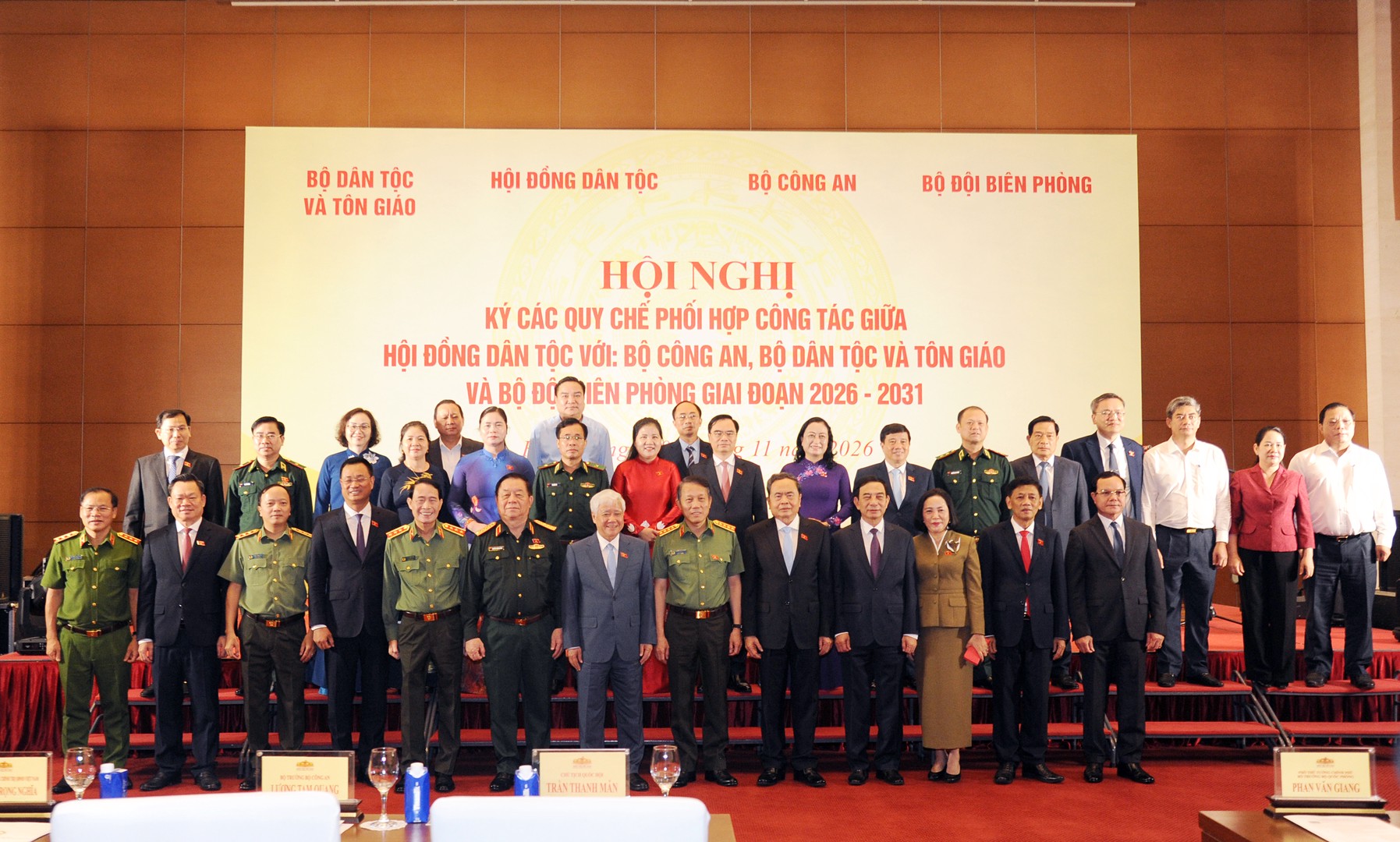
The Ministry of Public Security was urged to strengthen situation monitoring, analysis, and forecasting, proactively preventing and resolving security and order issues within its authority; and to combat crime and acts that exploit ethnic or religious matters to divide the great national unity bloc.
The Border Guard Command is tasked to coordinate with local Party committees, authorities, and the Council for Ethnic Affairs to propose border area development policies linked to managing and protecting territorial sovereignty and border security, while building a strong all-people border defense baseline and posture.
Print
Chia sẻ
Latest news


Most read news of the week