
Viet Nam enhances contributions to fight against online scams
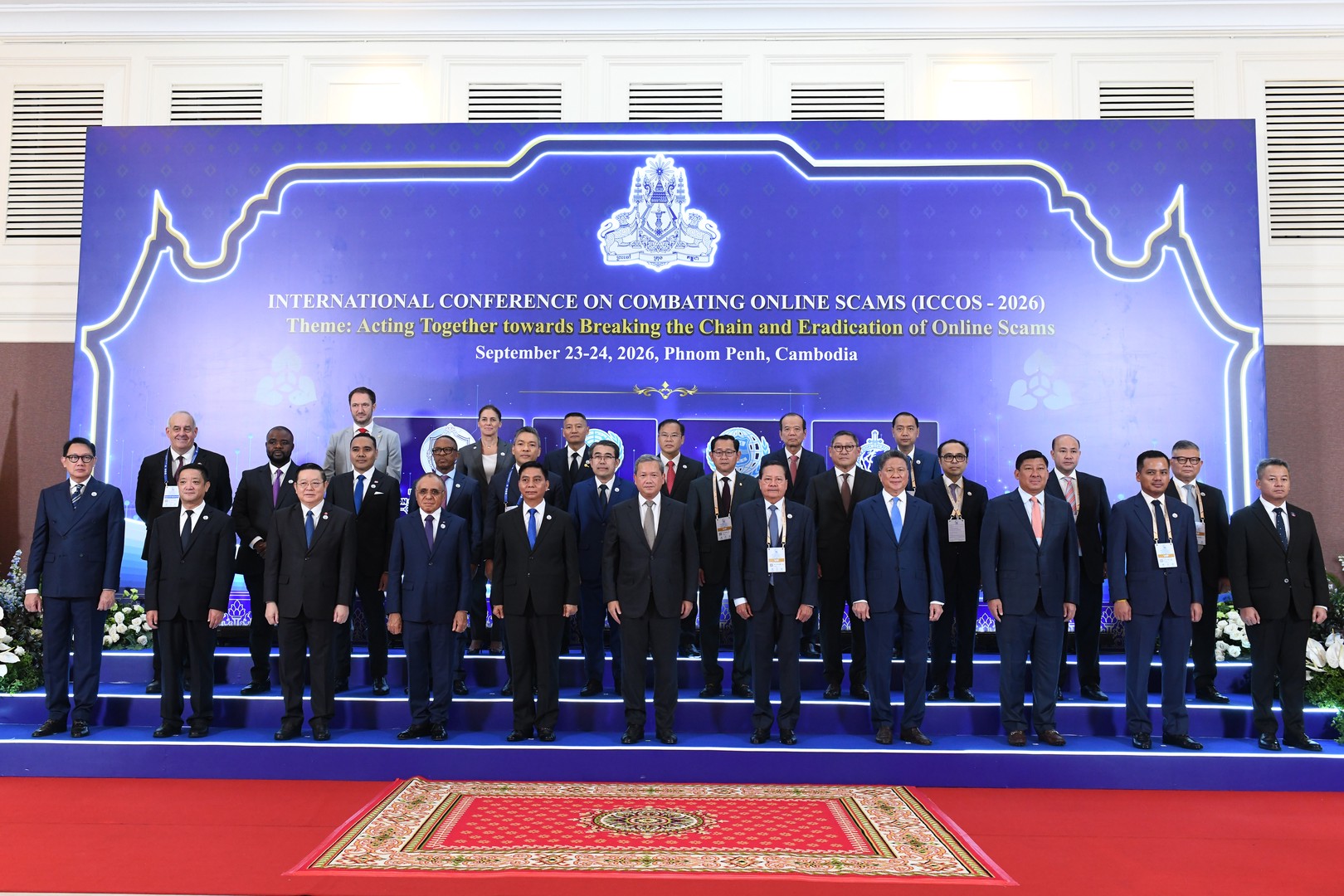
A high-level delegation of the Ministry of Public Security of Viet Nam, led by Deputy Minister of Public Security Senior Lieutenant General Nguyen Van Long, attended the International Conference on Combating Online Scams 2026 (ICCOS 2026), on September 23–24, 2026, in Phnom Penh, Kingdom of Cambodia.
25/09/2026
00:00
Under the theme "Joining Forces to Break the Chains of Crime and End Online Scams," the conference convened senior leaders and representatives from 27 countries, 6 international organizations, as well as financial institutions, technology and telecommunications enterprises, and research institutes.
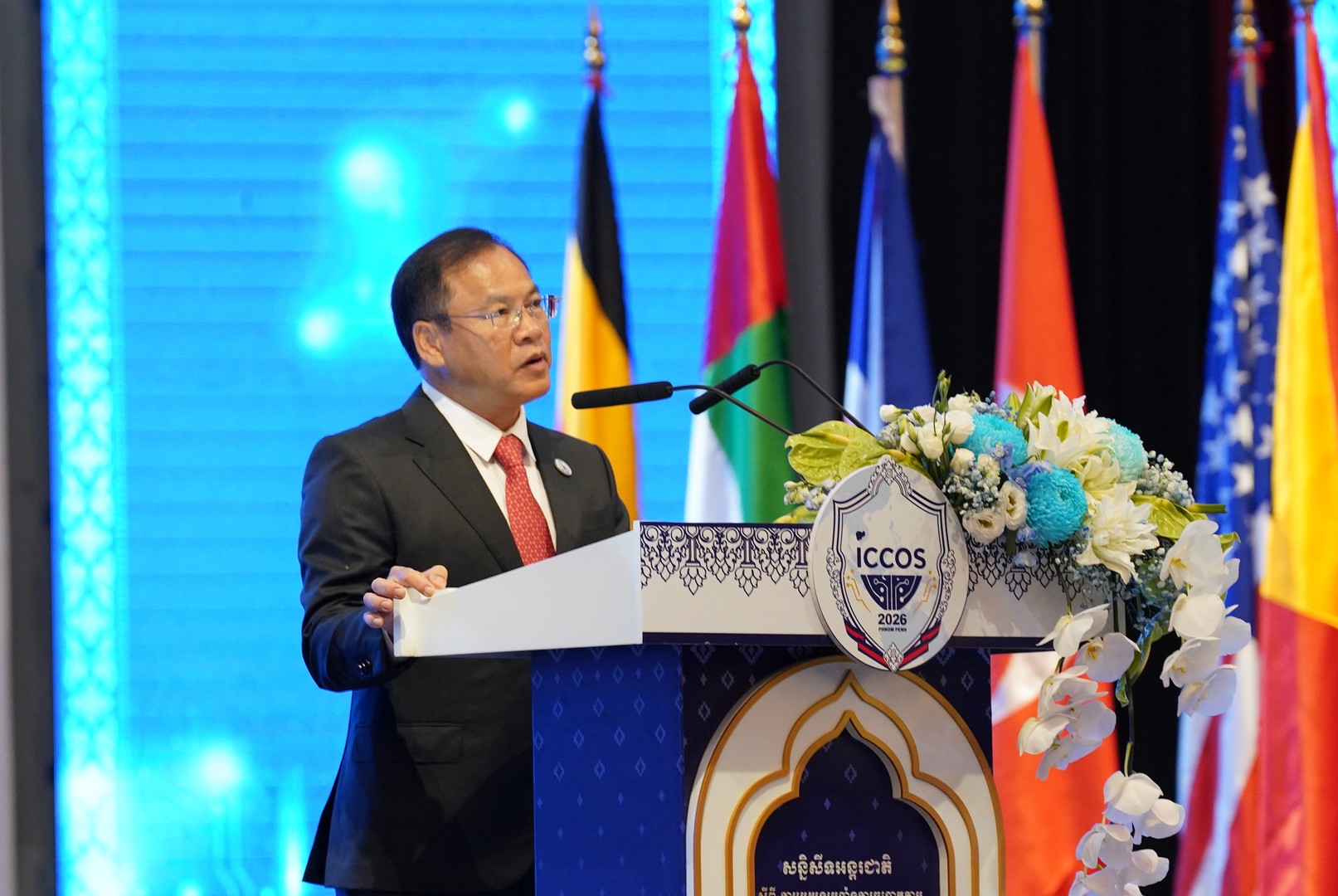
Addressing the high-level session titled "Online Scams: A Global Emergency," Deputy Minister Nguyen Van Long emphasized that online scamming is not only a cause of severe financial loss, but is also intimately connected to human trafficking operating behind many scam centers. Many victims are deceived and forced into illegal labor, suffering exploitation while being coerced into unlawful activities. Therefore, combating online scams is directly tied to protecting citizens' lives and property, safeguarding national development foundations, and fulfilling a shared responsibility of the international community.
Highlighting Viet Nam’s progress, Deputy Minister Nguyen Van Long stated that the Ministry of Public Security has advised on and implemented a comprehensive suite of solutions, including refining management regulations, verifying mobile phone subscribers and bank accounts, and deploying biometric authentication. Simultaneously, law enforcement has intensified crackdowns, social prevention measures, and international cooperation. Consequently, in 2026, the number of cyber-enabled scam cases in Viet Nam decreased by approximately 30% compared to 2025, with a marked reduction in the number of victims.
The Ministry of Public Security of Viet Nam called on participating nations to commit to action across three strategic directions:
Information exchange & private sector accountability: Regularly share state management experience, successful social prevention models, and uphold private sector responsibility. Technology firms, telecom operators, and financial institutions must serve as the primary line of defense—proactively identifying and blocking fraudulent acts to protect the public.
Legal frameworks & cybersecurity standards: Improve legal frameworks, bolster cybersecurity, accelerate the domestic implementation of international standards, and establish unified regional cybersecurity benchmarks. On this occasion, Viet Nam urged all nations to promptly complete ratification procedures for the United Nations Convention against Cybercrime (Hanoi Convention).
Rapid coordination & humanitarian protection: Establish swift, continuous coordination mechanisms to overcome hurdles in mutual legal assistance, expedite the tracing, freezing, and recovery of criminal assets, and resolutely eliminate illicit revenue streams. Concurrently, maintain a human-centered approach grounded in humanitarian principles to verify, protect, and safely repatriate citizens subjected to scam operations and forced labor.
At the conference, Viet Nam proposed establishing a joint working group in each country to coordinate the verification, investigation, and handling of complex transnational scam networks, ensuring maximum speed and efficacy. Viet Nam's initiative received high praise from attending delegations.
The conference issued a clear message that online scams represent a severe transnational crime and a formidable governance challenge, requiring a holistic, whole-of-society approach with distinct roles for governments, law enforcement, financial institutions, technology firms, international bodies, and the public.
The conference outlined four core orientations for collective action:
Responsibility: All stakeholders have a role and must act decisively.
Results: Commitments must be translated into concrete, measurable outcomes.
Resolve: Efforts must remain persistent, flexible, adaptive, and uncompromising under the rule of law.
Partnerships: Effective international partnerships must be mobilized, backed by resources superior to those of organized scam syndicates.
At the conclusion of the working agenda, the conference adopted the Phnom Penh Declaration on Joining Forces to Break the Chains of Crime and End Online Scams, creating a solid framework to enhance international cooperation, information sharing, capacity building, crime prevention, law enforcement, victim protection, and coordinated responses to transnational cybercrime.
Print
Chia sẻ
Latest news


Most read news of the week