Science and technology diplomacy contributes to building national development capacity
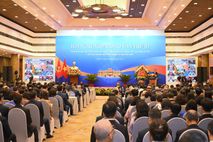
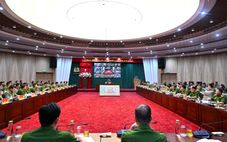
Within the framework of the 33rd Diplomatic Conference, on the afternoon of August 5, 2026, in Hanoi, a session entitled “Science and technology diplomacy contributes to building national development capacity” took place.
06/08/2026
00:00
Member of the Politburo, Minister of Public Security and Standing Deputy Head of the Central Steering Committee on the Development of Science, Technology, Innovation and Digital Transformation General Lương Tam Quang, and Member of the Politburo, Minister of Foreign Affairs and Member of the Central Steering Committee Lê Hoài Trung co-chaired the session.
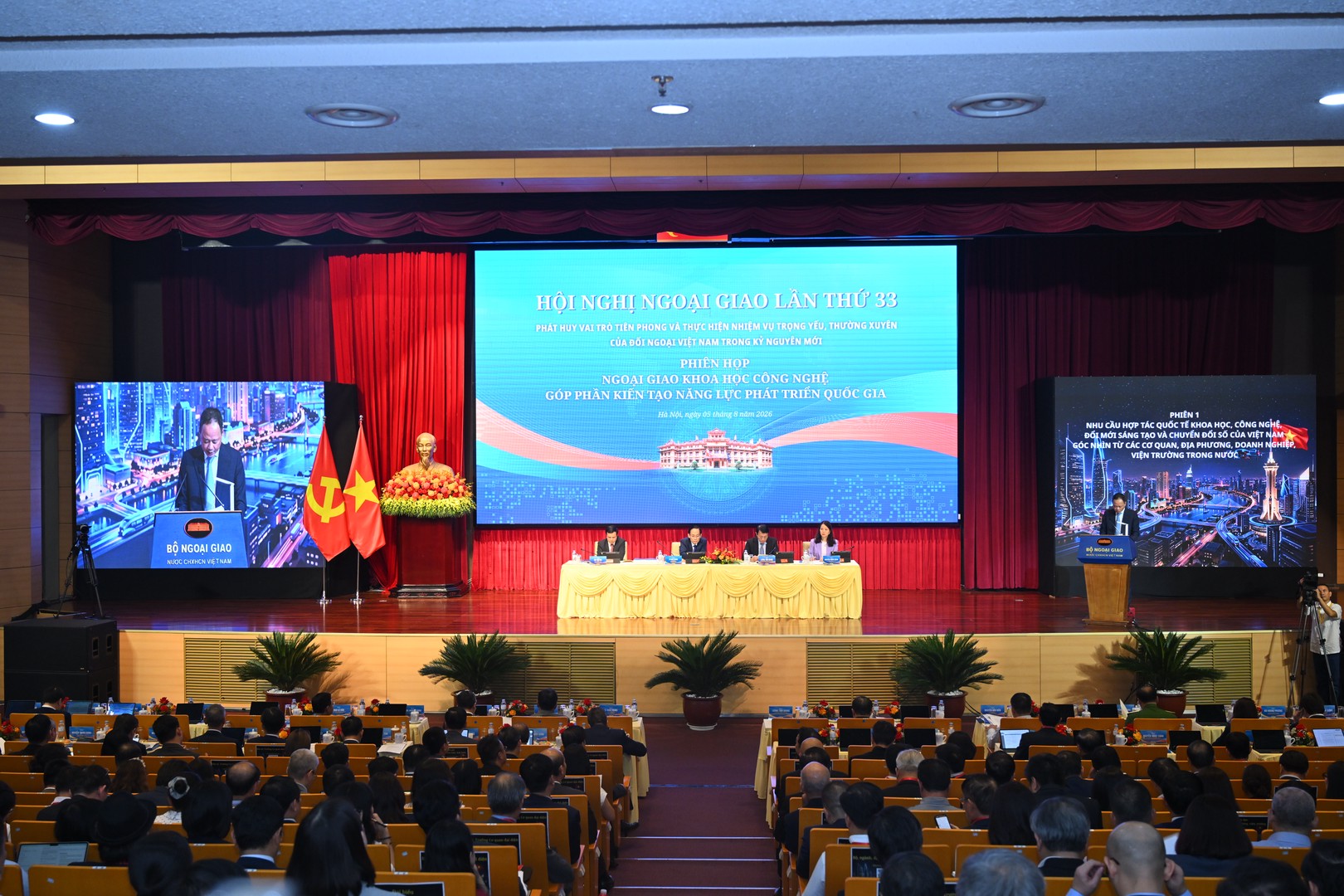
The session brought together, both in person and online, leaders of central commissions, ministries, sectors and mass organizations as well as leaders of provinces and cities, and representatives of Vietnamese research institutes, universities, associations and technology enterprises.
Structured around two discussion panels, the session focused on clarifying Viet Nam’s international cooperation needs in science, technology, innovation, and digital transformation, while identifying key opportunities, priority partners, and solutions to leverage the role of the diplomatic sector and Vietnamese representative missions abroad.
Delivering the opening remarks, Minister of Foreign Affairs Lê Hoài Trung emphasized that diplomacy in science, technology, innovation, and digital transformation is becoming a vital pillar of development-oriented diplomacy. He highlighted its pioneering, connecting, and enabling role in creating favorable international conditions to enhance national science, technology, and innovation capacity; drive the mastery of strategic technologies; ensure technological security; and elevate Viet Nam’s standing in the emerging global technology order.
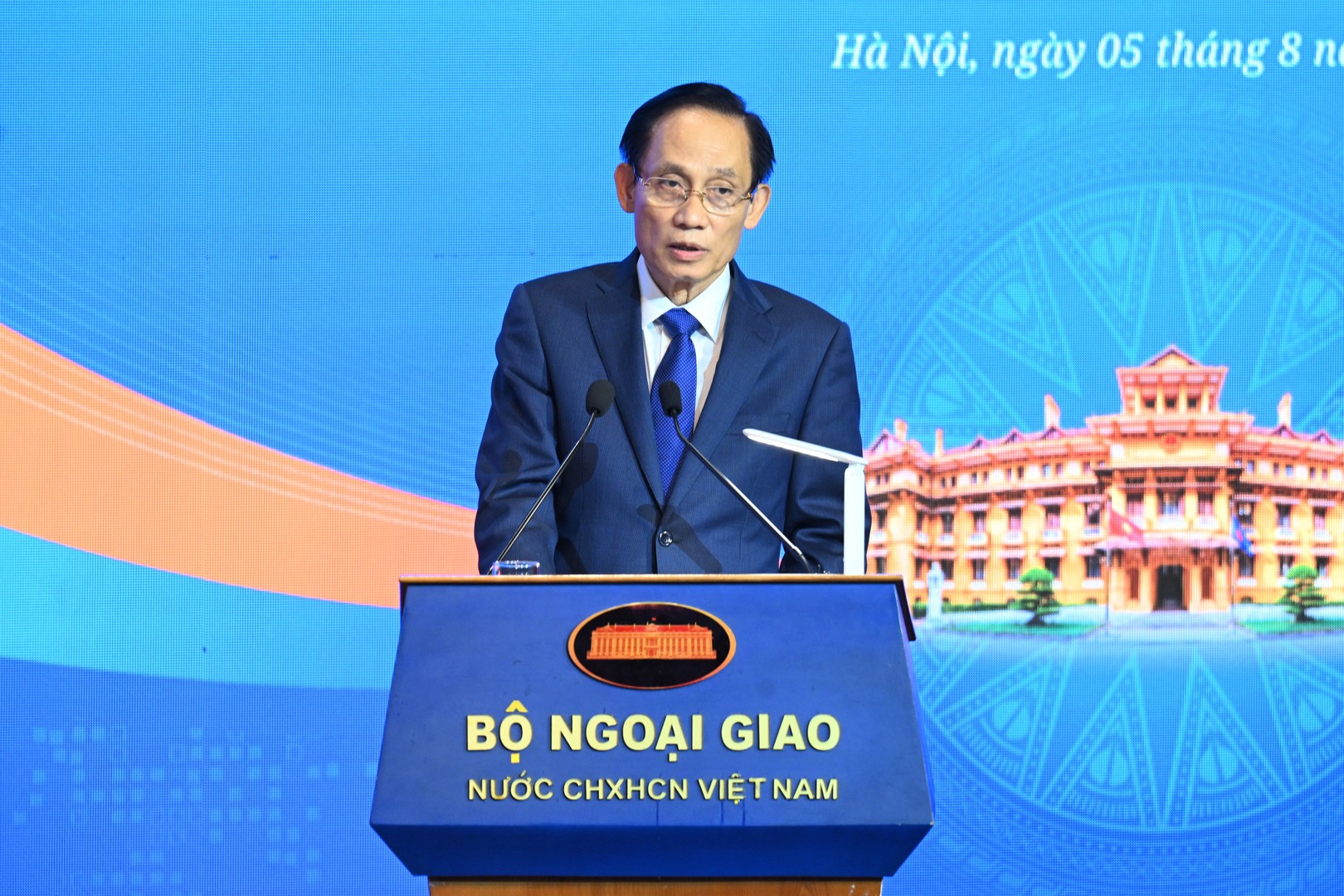
During the discussions, delegates clarified the imperative to access and master strategic technologies in order to generate new growth drivers and establish a solid foundation for long-term development. They also discussed the role of international cooperation and diplomatic work in achieving breakthroughs in science, technology, innovation, and digital transformation, as well as the major tasks required to implement the Politburo’s Resolution No. 57-NQ/TW.
Delivering a presentation on behalf of the Ministry of Public Security – the Standing Body of the Government’s Steering Committee 57 – Deputy Minister of Public Security Senior Lieutenant General Nguyễn Văn Long noted that as science and technology advance at an accelerating pace, strategic competition deepens alongside the risks of technological dependence.
To maximize the role and mission of diplomacy in driving breakthroughs in science, technology, innovation and digital transformation, Deputy Minister Nguyễn Văn Long proposed focusing on building science and technology diplomacy based on clear national needs. This includes defining which technologies should be independently researched and which should be acquired from abroad, while shifting from formal agreements to substantive partnerships with effectiveness as the primary metric. He also called for proactively safeguarding cyberspace and data sovereignty, transforming diplomatic missions into gateways for Vietnamese products to reach international markets, and serving as hubs connecting overseas Vietnamese intellectuals and experts to serve the country.
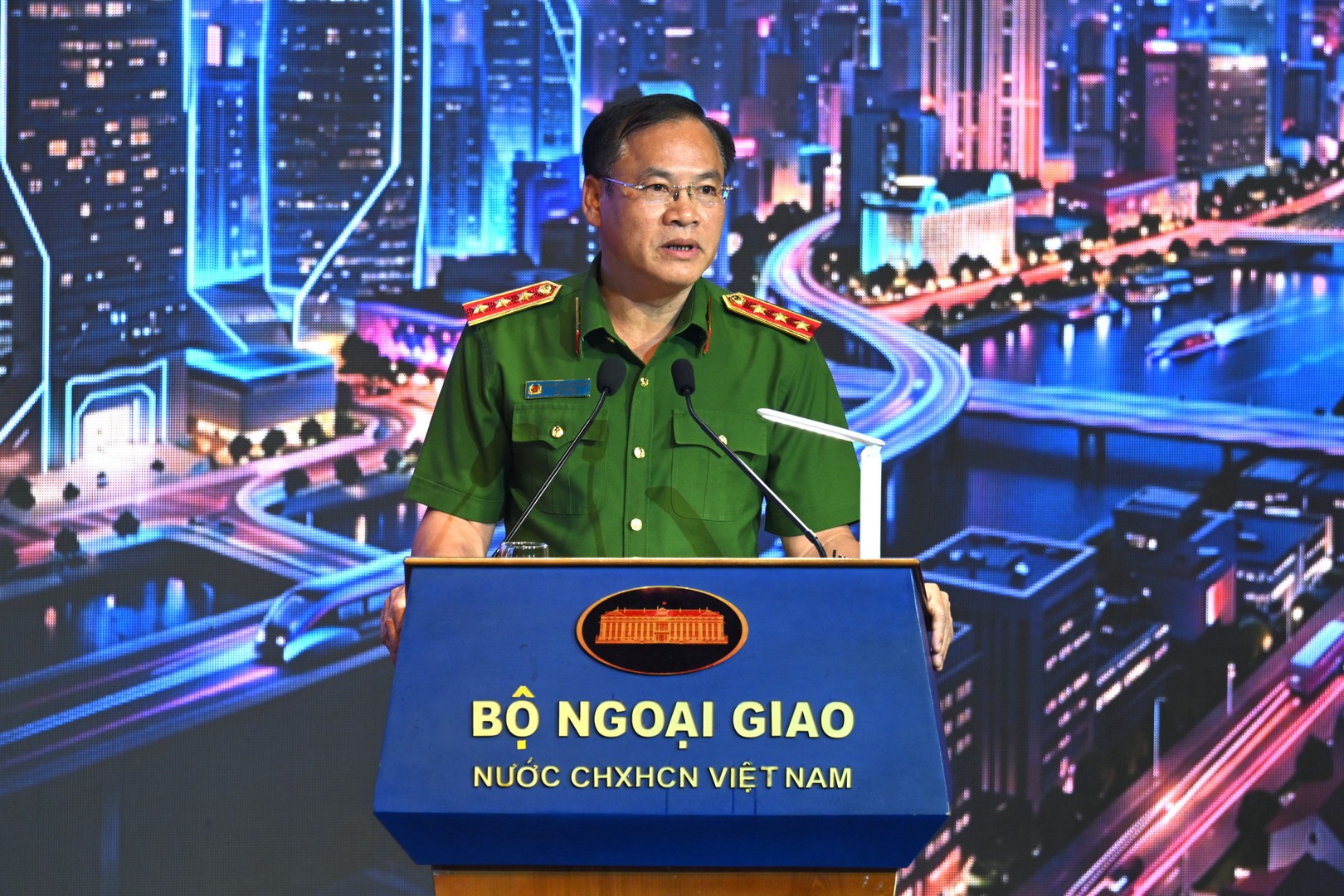
Furthermore, Deputy Minister Nguyễn Văn Long stressed the need to accelerate the application of digital technology and infrastructure; advance cross-border digital transformation by connecting VNeID with ASEAN countries; pilot international aviation identity verification systems to ensure public convenience while protecting data sovereignty; streamline administrative and consular procedures; expand digital spaces in healthcare, education, and social welfare; and establish support platforms to protect Vietnamese citizens and enterprises abroad anytime, anywhere.
Concluding the session, in his capacity as Standing Deputy Head of the Central Steering Committee on the Development of Science, Technology, Innovation and Digital Transformation, Minister Lương Tam Quang requested the entire political system to foster a unified understanding of technology diplomacy in the new era. He emphasized that technology diplomacy must be implemented with utmost flexibility and sharp responsiveness to identify the exact areas and stages where partners can collaborate most effectively, with the supreme objective of enhancing domestic science and technology capacity.
Regarding execution, Minister Lương Tam Quang requested a strategic pivot from attracting investment capital to attracting knowledge and technology, closely aligned with the country's priority development needs. He underscored that the outcomes of technology diplomacy must be measured by concrete values: technologies transferred and mastered, R&D centers established, high-quality human resources trained, and domestic technology enterprises developed.
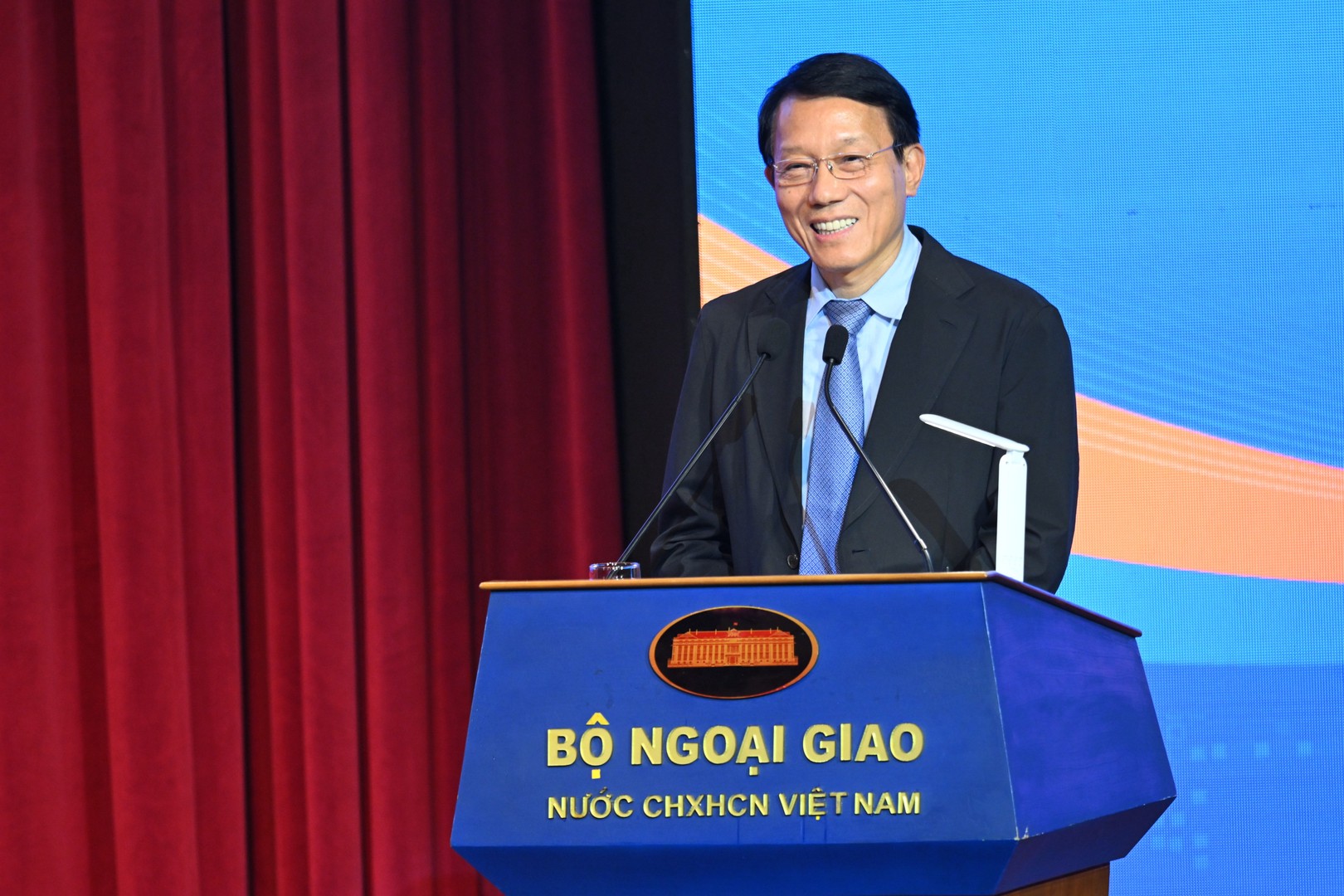
At the same time, Minister Lương Tam Quang urged a continued push to shift science and technology diplomacy from merely connecting to actively fostering development, from signing agreements to organizing implementation, and from mobilizing external resources to building endogenous capacity. In this way, diplomacy will become an effective channel for attracting knowledge, technology, and experts, enabling Viet Nam to integrate deeper into high-value-added stages of global value chains.
He also stressed the need to continue building technology partner networks connecting research institutes, universities, enterprises, and experts, while developing overseas Vietnamese knowledge databases focused on top experts in strategic technology fields. This effort should transition from general advocacy to task-specific connections based on the explicit needs of ministries, sectors, and localities.
Print
Chia sẻ
Latest news
Most read news of the week